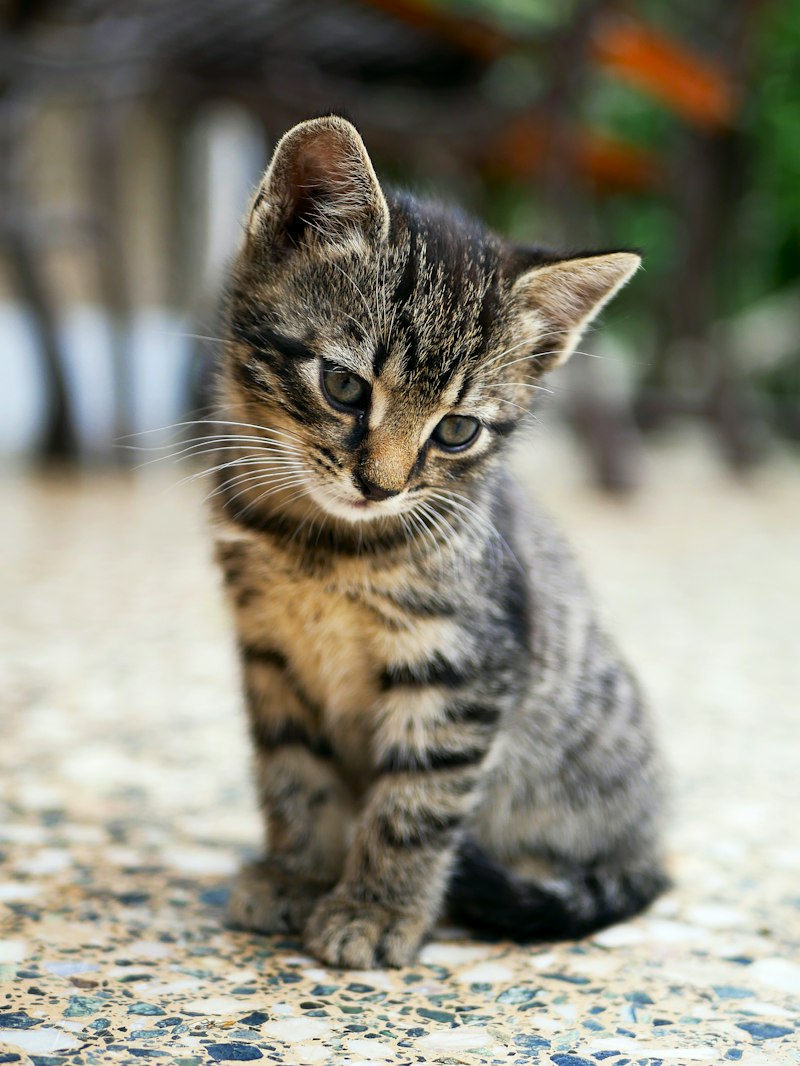
The image of cats as low-energy couch potatoes who simply eat, sleep, and occasionally grace us with their presence is a persistent myth that does a disservice to these remarkably athletic animals. In reality, domestic cats are capable of impressive physical feats—sprinting at speeds up to thirty miles per hour, jumping six times their body length in a single bound, and executing mid-air twists with gymnastic precision. The problem isn't that cats can't exercise; it's that many indoor cats are given no appropriate outlet for their athletic abilities, leading to weight gain, behavioral problems, and diminished quality of life.
Exercise serves multiple essential functions for cats beyond simple weight management. Physical activity strengthens muscles and joints, maintains healthy cardiovascular function, aids digestion, and helps regulate hormones that affect mood and stress levels. For kittens and young adults, play is how they develop coordination, hunting skills, and social boundaries. For adult cats, regular activity prevents boredom and provides mental stimulation. For senior cats, appropriate exercise maintains mobility and slows age-related decline. Understanding how to encourage appropriate physical activity in your cat is one of the most important aspects of responsible pet ownership.
Why Cats Need Regular Exercise
Obesity is reaching epidemic proportions among indoor cats, with estimates suggesting that over fifty percent of cats seen in veterinary practices are overweight or obese. This carries serious health consequences including diabetes, joint problems, respiratory difficulties, and decreased life expectancy. While caloric intake certainly plays a role, insufficient physical activity is equally to blame. Cats in the wild would burn significant calories through hunting, exploring, and territorial patrols—not to mention the bursts of intense sprinting that characterize their hunting style. An indoor cat with unlimited food access and no exercise outlets will inevitably pack on excess weight.
Beyond weight management, regular exercise provides crucial mental enrichment. Play behavior engages your cat's cognitive functions, problem-solving abilities, and natural hunting instincts. A mentally stimulated cat is generally a happier, less anxious cat. Exercise also promotes better sleep patterns, as physically tired cats rest more soundly than restless, bored felines. Many behavioral problems that drive cat owners to frustration—midnight zoomies, furniture scratching, aggression toward other pets—can be significantly improved through increased physical activity and mental engagement.
Even senior cats benefit enormously from appropriate exercise. While you may need to adjust the intensity and type of activity, keeping older cats moving helps maintain muscle mass, preserves joint flexibility, and can slow the progression of conditions like arthritis. Gentle play sessions also provide mental stimulation that becomes increasingly important as cats age, helping maintain cognitive function and preventing the disorientation and anxiety that sometimes accompany senior years.
Understanding and Managing Play Aggression
Play aggression is one of the most common behavioral issues cat owners face, particularly with young cats and kittens. This occurs when cats direct hunting and predatory behaviors toward people or other pets in the household. While normal from the cat's perspective—play is essentially practice for hunting—play aggression can result in scratches, bites, and significant property damage. Understanding the root causes of this behavior is essential for addressing it effectively.
Kittens and young cats especially need to practice their hunting skills, and without appropriate outlets, they may target moving feet, hands, or other available targets. This behavior often intensifies during certain times of day when cats are naturally more active—typically dawn and dusk. Warning signs include dilated pupils, a crouched stalking posture, twitching tail, and sudden bursts of energy followed by an ambush. The attack itself often targets vulnerable areas like ankles or hands.
The key to managing play aggression is providing appropriate targets for hunting behavior. Interactive toys like wand toys allow your cat to chase and "kill" without harming anyone. Establishing regular play sessions before the typical aggressive period helps burn off excess energy. When play aggression does occur, avoid physically punishing your cat or using your hands as toys—this only reinforces the behavior by providing the stimulation they're seeking. Instead, redirect attention to an appropriate toy, then reward engagement with that toy. Consistency is crucial; every member of the household must follow the same rules to avoid confusing your cat.
Choosing the Best Toys by Personality
Not all cats respond to the same toys, and understanding your individual cat's play style helps you select activities they'll genuinely enjoy. Some cats are stalkers who prefer toys that move slowly and erratically along the ground. Others are pouncers who need toys that hide and then spring surprise attacks. Climbers prefer toys that move vertically or dangle from heights. Chasers love toys that move quickly across surfaces or can be thrown and retrieved. Observing how your cat naturally plays gives you clues about which categories of toys will be most engaging.
For stalkers, wand toys with fabric mice or bird-like attachments work wonderfully. Drag these along the ground in jerky movements that mimic scurrying prey, occasionally disappearing behind furniture to trigger pursuit. For pouncers, tunnel toys with hidden crinkle balls inside provide perfect ambush opportunities. Some cats will spend twenty minutes working through a long tunnel, emerging triumphant with each captured ball. Climbers appreciate ceiling-mounted track systems or cat trees with dangling toys that swing with their pounces.
Chasers often love simple ball toys, especially those that make noise or contain catnip. Battery-operated toys that move randomly can provide entertainment when you're away, though they should supplement rather than replace interactive play sessions. Some owners have success with automated laser pointers, though these come with important caveats we'll discuss shortly. The best approach is to maintain a variety of toy types and rotate them regularly, keeping each introduction feeling fresh and exciting.
Laser Pointer Safety Considerations
Laser pointers spark an ongoing debate among feline behaviorists and veterinarians. On one hand, cats often go absolutely wild chasing that elusive red dot, burning significant energy in the process. On the other hand, the frustration of never being able to "catch" and "kill" the prey can lead to obsessive behavior, anxiety, and persistent hunting attempts toward any moving light or shadow.
If you do use laser pointers with your cat, there are ways to make the experience more satisfying. Always end the session by allowing your cat to catch a physical toy or receive a treat—this gives them the satisfaction of a successful hunt. Use the laser as part of a rotation rather than a primary play method. Watch carefully for signs of frustration, such as increasingly frantic searching behavior or aggression toward inanimate objects. If your cat seems to develop an obsessive relationship with the laser dot, discontinue use immediately.
Safety Note: Never shine laser pointers directly in your cat's eyes or allow them to stare at the beam. Use pet-safe laser toys designed to avoid eye damage. Even low-power laser pointers can cause retinal damage with prolonged direct exposure.
Maximizing Interactive Play Sessions
Interactive play sessions—where you actively engage with your cat using wand toys, fetch toys, or other handle-equipped items—provide superior physical and mental exercise compared to solo play. These sessions also strengthen the bond between you and your cat, building trust and communication. The key to successful interactive play lies in understanding feline hunting sequences and replicating them in your play style.
A complete hunting sequence includes searching, stalking, chasing, pouncing, capturing, and finally consuming prey. Begin your play sessions by letting your cat search for the toy—dragging it slowly under rugs or behind furniture so your cat must hunt for it. Next comes the stalk, where you move the toy in an enticing but escapable manner. The chase follows naturally, then the pounce, and finally allow your cat to make the "kill" by letting them grab and wrestle with the toy.
Each session should last ten to fifteen minutes, ideally occurring twice daily during your cat's natural active periods—dawn and dusk. These sessions should engage your cat fully, not just have them passively watching. A truly engaged cat will display classic hunting body language: ears forward, pupils dilated, body low and tense, tail twitching. If your cat seems uninterested, try different toys, move to a more engaging location, or adjust the time of day. Ending sessions while your cat is still somewhat interested helps maintain enthusiasm for the next session.
Creating a Sustainable Play Schedule
Perhaps the most important element of cat exercise is consistency. Sporadic bursts of activity followed by days of inactivity create unpredictable energy levels and can actually increase behavioral problems. Establishing and maintaining a regular play schedule provides structure that helps cats feel secure while ensuring they get adequate physical activity.
Most cats do well with two substantial play sessions daily, ideally timed to match their natural crepuscular activity peaks. Morning sessions before breakfast help burn energy and can actually encourage better eating habits. Evening sessions before dinner replicate the natural hunting-wandering-grooming-sleeping cycle that wild cats follow. Even on days when you're extremely busy, finding fifteen minutes twice daily is manageable for most schedules and provides enormous benefits.
In addition to structured play sessions, encourage spontaneous activity throughout the day. Scatter food rather than using bowls to force movement during mealtimes. Hide treats in various locations to encourage exploration. Rotate toys weekly to maintain novelty. Consider feeding meals through puzzle feeders rather than bowls. These additions to your routine add up, creating a more active lifestyle without requiring dedicated exercise time.
Making exercise enjoyable rather than a chore—for both you and your cat—ensures sustainability. When play becomes something your cat actively seeks out and anticipates, you've succeeded in building a healthy habit that will benefit their physical and mental wellbeing for years to come.