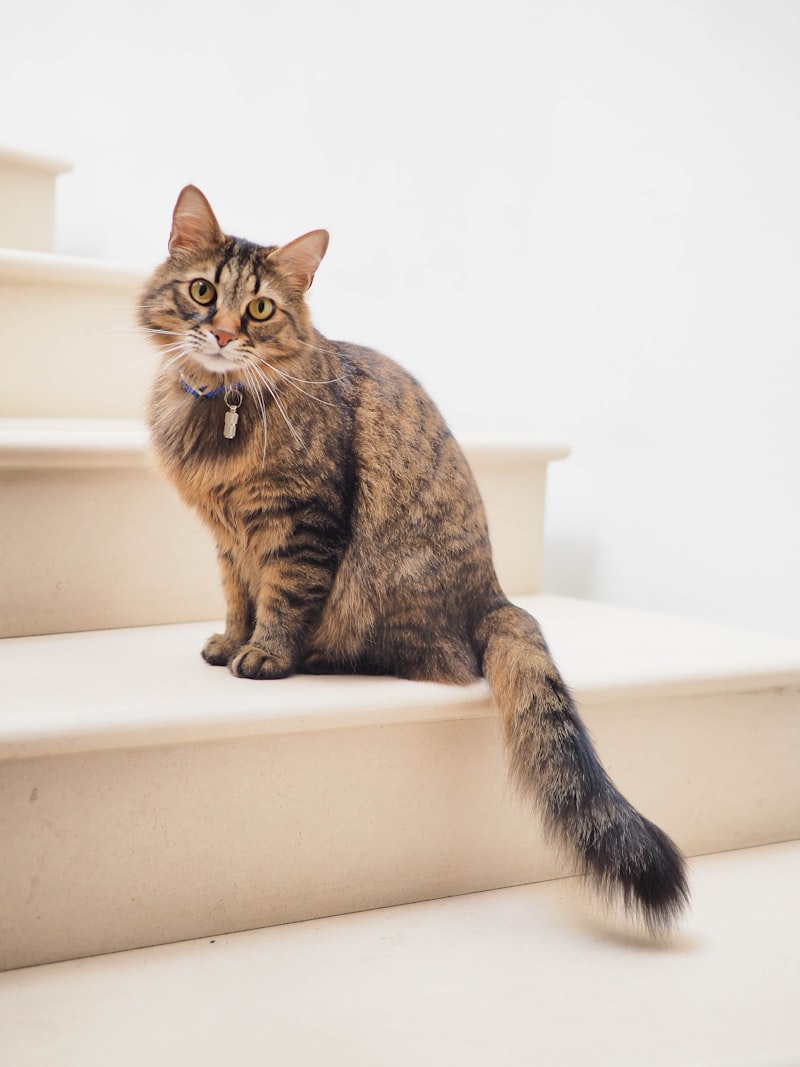
Your cat may spend most of the day lounging in sunny spots and grooming, but beneath that relaxed exterior lies a remarkably intelligent hunter with complex cognitive needs. Indoor cats, in particular, face a unique challenge: they are descendants of solitary predators who evolved to stalk, chase, and problem-solve throughout the day. When we bring these animals into our homes and limit their world to a few rooms, we can inadvertently create boredom, stress, and behavioral problems. Understanding how to provide adequate mental stimulation is one of the most important aspects of being a responsible cat owner.
Mental enrichment isn't just about keeping your cat entertained—though that's certainly part of it. Research has shown that cognitively stimulated cats exhibit fewer problem behaviors, maintain healthier weight, show lower stress levels, and even demonstrate slower cognitive decline as they age. The good news is that providing this stimulation doesn't require expensive equipment or hours of your time each day. With some thoughtful planning and simple adjustments to your home environment, you can dramatically improve your cat's quality of life.
Why Mental Stimulation Matters
Before diving into specific enrichment strategies, it's worth understanding why mental stimulation carries such weight in your cat's overall wellbeing. Cats are crepuscular hunters, meaning they are most active during dawn and dusk. In the wild, they would spend significant portions of these active periods hunting prey—even after eating, the drive to stalk and capture remains deeply embedded in their psyche. This hunting behavior engages their minds as much as their bodies, requiring problem-solving, patience, and spatial awareness.
Without an outlet for these natural behaviors, cats can develop what veterinarians call "vacuum activity"—repetitive behaviors performed in the absence of appropriate stimuli. This might manifest as excessive grooming, wool sucking, repetitive pacing, or even aggression. Studies have also linked environmental enrichment to improved immune function, meaning mentally stimulated cats may actually resist illness better than their bored counterparts. The investment you make in your cat's mental enrichment pays dividends across nearly every aspect of their health.
Puzzle Feeders: Mealtime as Playtime
One of the most effective ways to provide mental stimulation is to transform your cat's mealtimes from passive consumption into active problem-solving. Puzzle feeders, also called food puzzles, require your cat to manipulate the device in some way to release kibble or treats. This turns eating into a multi-step activity that engages their natural hunting instincts while slowing down fast eaters—a bonus for cats prone to vomiting or obesity.
The market offers an impressive range of puzzle feeders, from simple balls with holes to sophisticated multi-chamber devices. For beginners, start with something straightforward like the classic Doc Phoebes or PetSafe Egg-Cersizer. These allow even inexperienced cats to quickly learn that moving the toy produces food. As your cat becomes more adept, you can introduce more challenging puzzles that require pawing, rolling, and even preliminary problem-solving steps before food is released.
You can also create DIY puzzle feeders using items you already have at home. An empty toilet paper roll sealed at one end with holes punched in the other makes a simple treat dispenser. Ice cube trays covered with a towel with treats hidden underneath let cats practice挖掘 behaviors. Small boxes filled with crumpled paper and scattered kibble create a treasure hunt experience. The key is ensuring the difficulty level matches your cat's abilities—frustration from unsolvable puzzles defeats the purpose entirely.
Creating the Perfect Window Perch
Windows serve as nature's television for cats, and a well-designed window perch can provide hours of mental engagement throughout the day. Birds, squirrels, passing cars, and falling leaves all capture feline attention in ways we sometimes underestimate. Setting up a comfortable viewing station near a busy window gives your cat a front-row seat to the goings-on outside, satisfying their prey-drive watching instincts without any actual hunting occurring.
When selecting or installing a window perch, consider both safety and comfort. The perch should be sturdy enough to support your cat's full weight without wobbling or bending—many cats will spring onto their perches quickly when prey appears, so stability matters enormously. Add a soft, washable cushion or blanket for comfort, and position the perch where your cat can see out clearly without obstruction. If possible, set up multiple viewing locations throughout your home to give your cat variety and choice.
You can enhance the window viewing experience further by installing a bird feeder outside the window at a safe distance. This creates a constantly changing entertainment center that draws your cat's attention and encourages natural stalking and tracking behaviors. Some cat owners go even further, adding motion-activated toys near windows or strategically placing treats on perches to reward focused observation. Even simple additions like a small table near a garden window give cats something to watch during their daily surveillance of the neighborhood.
Catios and Safe Outdoor Access
For cat owners who want to give their feline companions genuine outdoor experiences without the well-documented risks of free-roaming, catios represent the perfect compromise. A catio—a portmanteau of cat and patio—is an enclosed outdoor space that allows cats to experience fresh air, natural sunlight, and environmental stimuli while remaining safely contained. These structures range from simple window-box extensions to elaborate multi-level structures connected to your home.
The benefits of catios extend far beyond mental stimulation. Cats with access to catios get physical exercise from exploring different terrain and climbing structures. They receive natural vitamin D from sunlight. They engage their full sensory systems with real outdoor smells, sounds, and textures. And perhaps most importantly, they experience genuine environmental complexity that no indoor environment can fully replicate. Even a modest catio attached to a window can dramatically improve your cat's quality of life.
Building a catio doesn't require advanced construction skills or huge budgets. Simple designs use PVC pipe frames with heavy-gauge wire mesh. More elaborate setups incorporate shelving, climbing branches, and planted areas. If space is limited, consider a balcony enclosure or even a large window box designed specifically for cats. Commercial catios are also available in various sizes and configurations. The key is ensuring the structure is predator-proof, escape-proof, and provides protection from the elements so your cat can enjoy their outdoor sanctuary year-round.
Hiding Spots and Vertical Territory
Cats are both predator and prey in their natural ecology, which means they have conflicting needs for visibility and security. Providing adequate hiding spots throughout your home allows your cat to retreat when they feel stressed or overstimulated, while also giving them control over their environment. This sense of agency is crucial for feline mental health. Without safe hiding spots, cats may become anxious, aggressive, or develop stress-related health issues.
Effective hiding spots include covered beds, cardboard boxes with entry holes, tunnel toys, and dedicated cat caves or pods. Place these in quiet areas away from household traffic, and ensure your cat can see approaching threats (you, other pets) from their hiding spot. Multiple hiding options distributed throughout your home prevent territorial conflicts in multi-cat households and give individual cats choices about where they feel safest.
Equally important is vertical space. Cats evolved as arboreal creatures, and in the wild, they spend considerable time in trees where they can survey their territory and feel secure from ground-level threats. Providing cat trees, wall shelves, and other elevated spaces dramatically increases your cat's usable territory and gives them more environmental complexity to navigate. Vertical spaces also provide excellent resting spots with good sightlines, allowing confident cats to monitor their domain while relaxing comfortably.
The Power of Rotational Toys
One simple but effective enrichment strategy is toy rotation. Cats can become bored with toys that are constantly available, just as humans lose interest in possessions that never change. By keeping only a few toys accessible at any given time and rotating them every week or two, you essentially make old toys new again. Your cat may greet the return of a toy they haven't seen in weeks with the same enthusiasm as receiving an entirely new item.
When implementing toy rotation, store accessible toys in a closed container out of your cat's sight. Each week, swap the available selection with items from storage. This maintains novelty without requiring you to continuously purchase new toys. Pay attention to which toys your cat uses most when you reintroduce them, and consider retiring heavily-used items when they show signs of wear or when your cat's enthusiasm for them wanes.
Beyond rotation, consider the types of toys you offer. Wand toys with feathers, fabric, or crinkly attachments engage hunting instincts more effectively than simple balls. Electronic toys that move on their own can provide entertainment when you're away, though they should supplement rather than replace interactive play sessions. Catnip-filled toys, crinkle tunnels, and toys with varied textures all add sensory variety to your cat's toy collection. The goal is creating an environment where your cat always has access to something interesting without being overwhelmed by too much stuff.
Preventing Loneliness in Single-Cat Homes
Despite their reputation for independence, many cats genuinely benefit from social interaction and can experience loneliness when left alone for extended periods. Signs of loneliness may include excessive vocalization, destructive behavior, changes in appetite, over-grooming, or unusual clinginess when you return home. If your cat displays these behaviors, increasing mental stimulation and environmental enrichment often helps significantly.
Beyond puzzle feeders and rotating toys, consider ways to add variety to your cat's daily routine. Leaving a radio or television on at low volume provides ambient stimulation and can be comforting for some cats. Window perch placement facing a bird feeder or active outdoor area gives them ongoing entertainment. Some cats respond well to cat-safe plants like cat grass or catnip, which provide both sensory enrichment and occasional nibbling opportunities.
If your schedule keeps you away for long hours regularly, you might also consider adopting a second cat—though this decision requires careful consideration of both cats' temperaments and proper introduction protocols. Alternatively, pet cameras with two-way audio let you check in on your cat and even dispense treats during the day. Some owners set up bird webcams or nature videos on a tablet for their cats to watch. Whatever combination of strategies you employ, the goal is ensuring your cat's mind stays active and engaged even when home alone.
Remember that mental enrichment is not a luxury—it's a fundamental component of cat care as essential as proper nutrition and veterinary attention. By understanding your cat's natural instincts and providing appropriate outlets for those behaviors, you create a happier, healthier, and more well-adjusted companion. Start with one or two changes, observe how your cat responds, and gradually build a richer environment that keeps their remarkable mind engaged for life.